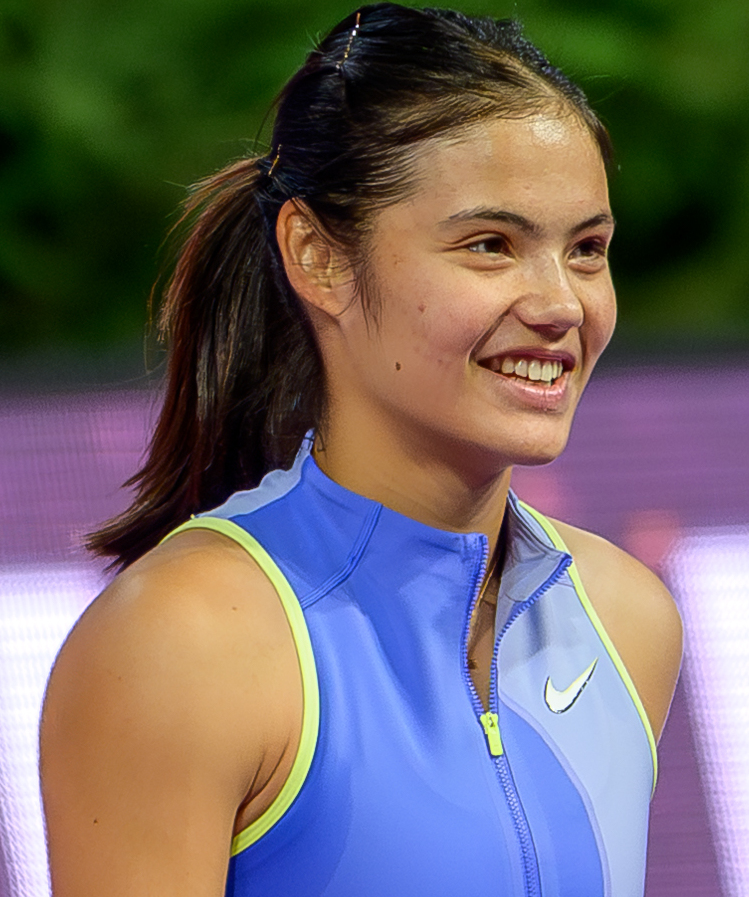
Emma Raducanu's meteoric rise to tennis stardom, culminating in her historic 2021 US Open victory, was as breathtaking as it was unprecedented. Yet, the path since has been marked by significant challenges, not least a revolving door of coaches. Now, as the British number one looks to regain her championship form and rediscover the joy in her game, she's embarking on a distinctive approach that signals a profound shift in her raducanu coaching philosophy: a move beyond the traditional full-time mentor in favour of a collaborative, instinct-driven model.
This evolving strategy is less about finding 'the one' perfect coach and more about cultivating an environment where she can thrive authentically. It's a journey back to her roots, to the free-hitting, instinctual game that made her a Grand Slam champion. Raducanu’s quest for coaching harmony reflects a deeper search for self, prioritizing her innate style over external directives.
The Evolution of Raducanu's Coaching Strategy: A Departure from Tradition
For many elite athletes, a long-term partnership with a single, dedicated coach is the cornerstone of their success. However, Emma Raducanu's career trajectory has diverged significantly from this norm. Since her US Open triumph, she has worked with no fewer than seven full-time coaches, each partnership eventually concluding. The most recent split with Francisco Roig after January's Australian Open was reportedly due to a fundamental disagreement over her playing style.
This pattern of frequent change isn't merely a string of unfortunate pairings; it points to a deeper underlying philosophy. Raducanu herself has articulated a clear stance: she is open to a full-time coach, but only if they don't "dictate the way she should play." This isn't about stubbornness, but a powerful assertion of autonomy. She understands that while expert guidance is invaluable, it should complement, not overwrite, her intrinsic abilities and comfort on court. Her search is for a collaborator, not a director, a nuanced distinction that underpins her current, less conventional approach to coaching. This departure from tradition also reflects the immense pressure and scrutiny she faces, making any coaching decision a public spectacle.
Rediscovering Instinct: The Core of Raducanu's Philosophy
At the heart of Emma Raducanu's current coaching strategy is a profound desire to "bring my instincts back out, getting back in touch with myself." She candidly admits to having "a lot of people telling me what to do, how to play, and it hasn't necessarily fit." This suggests that previous coaching inputs, however well-intentioned, may have inadvertently stifled her natural tendencies, leading to a disconnect with her authentic game.
Her "natural way of playing" is synonymous with the aggressive, free-hitting style that propelled her through the US Open qualifiers to the final without dropping a set. It's a style born of intuition and confidence, rather than rigid instruction. For Raducanu, rediscovering this means peeling back layers of external advice that may have "coached out" some of her innate flair. This process of relearning what comes naturally takes time and space, unburdened by the pressure to conform to a pre-set tactical template. Her emphasis on instinct highlights the critical balance between structured training and allowing an athlete's unique talent to shine through, a crucial aspect of the evolving raducanu coaching philosophy.
The Scrutiny Trap and the Pressure to Conform
The intense spotlight on Emma Raducanu since her major triumph is arguably unparalleled in modern tennis. Every decision, every match, and critically, every coaching appointment, is dissected by media and fans alike. This creates a unique "scrutiny trap" that influences her choices significantly.
"Anyone I bring in is straight away going to be scrutinised - even if it's a trial," Raducanu noted. This omnipresent pressure can lead to a feeling of obligation: "I might feel the pressure to stick with them, even if it's not necessarily the right decision." This insight reveals a significant challenge for young, high-profile athletes. The public expectation for a quick fix or a definitive long-term solution can inadvertently compromise the very process of finding the right fit. For Raducanu, avoiding this trap means being exceptionally selective and resisting the urge to appoint a coach simply to appease external narratives. Her priority is genuine compatibility and a coaching style that supports her personal development, not just wins on the scoreboard.
The "Tap Into A Few People" Model: Benefits and Challenges
Instead of a singular guru, Raducanu is embracing a more fluid, modular approach: "I am definitely going to tap into a few people here and there." This model, exemplified by her work with Mark Petchey and Alexis Canter, represents a significant departure from conventional player-coach relationships and offers both distinct advantages and potential complexities.
Advantages of a Consultative Approach:
- Diverse Perspectives: By consulting multiple experts, Raducanu gains varied insights on technical, tactical, and mental aspects of her game, enriching her overall understanding.
- Reduced Pressure: No single individual carries the burden of her entire performance, alleviating the intense scrutiny that would otherwise fall on a full-time coach.
- Flexibility and Specialisation: She can bring in specific expertise for different phases of her development or particular tournament surfaces. For instance, Petchey’s ad hoc role has been particularly effective, especially during the clay-court season last year, where she reached the fourth round in Rome.
- Player Agency: This model places Raducanu firmly in control, allowing her to integrate advice on her terms and reinforce her own game plan. This is crucial for her stated aim of rediscovering her instincts.
- Comfort and Familiarity: Her positive experience with Petchey, who coached Andy Murray early in his career and joined Raducanu’s team in Miami last March, highlights the importance of working with someone she trusts and enjoys being on court with. She explicitly stated, "I work really well when I'm with him. I'm really happy to be on the court and just really enjoy it overall."
Potential Challenges:
- Consistency of Message: Managing potentially conflicting advice from multiple sources requires a strong internal compass and clear vision from Raducanu herself.
- Logistical Complexity: Coordinating schedules and ensuring seamless integration among different advisors can be demanding.
- Lack of Long-Term Strategic Oversight: Without a dedicated, full-time coach, there might be a perception of lacking a cohesive, overarching strategy for her career development, although Raducanu herself seems to be taking on that role.
The success she's seen with both Mark Petchey (who has been "on court regularly" at Indian Wells and was a presence in Miami and during the clay-court season) and Alexis Canter (who served as a hitting partner during her semi-final run in Washington and her second career final in Cluj) suggests this model holds genuine promise. Canter, despite limited coaching experience, plays a supportive role, taking a "back seat" when more experienced figures like Petchey are present. This flexible, collaborative model is a core pillar of her evolving raducanu coaching philosophy. To delve deeper into this dynamic setup, explore Emma Raducanu's Ad Hoc Coaching Strategy: Tapping Into Many.
What Emma Raducanu's Approach Teaches Us About Player Development
Emma Raducanu’s unorthodox coaching journey offers invaluable insights into modern player development, particularly for high-potential athletes. Her decision to prioritize self-discovery and instinct over a traditional coaching hierarchy challenges conventional wisdom and highlights the evolving role of a coach.
Key Takeaways:
- Player Agency is Paramount: Raducanu is a powerful advocate for the athlete taking ownership of their career and personal game style. Coaches, in this view, become consultants or collaborators rather than dictators.
- Trust Your Gut: Her desire to bring back her "natural way of playing" underscores the importance of an athlete's intuition and inherent talent. Over-coaching can sometimes stifle creativity and natural flow.
- Mental Well-being Matters: The emphasis on finding joy on court ("I'm really happy to be on the court and just really enjoy it overall") indicates that performance isn't just about technique, but also about the mental and emotional state of the player. A coaching environment that fosters happiness and confidence is crucial.
- Adaptability is Key: Both for the player and the coaching team. Raducanu's fluid approach demands an adaptable mindset from herself and those she chooses to work with.
For aspiring athletes, Raducanu's journey serves as a powerful reminder to understand your own game deeply, rather than blindly conforming to external instructions. For coaches, it highlights the increasing need to become facilitators of talent and collaborators in a player's journey, rather than prescriptive instructors. Her approach is a bold statement about defining success on her own terms, a true coaching reboot. Discover more about her journey to reclaim her game in Emma Raducanu's Coaching Reboot: Rediscovering Her Natural Game.
Ultimately, Emma Raducanu's current raducanu coaching philosophy isn't about rejecting coaches outright, but about redefining the relationship. It's a strategic move to regain control, minimize external pressures, and most importantly, reconnect with the raw, uninhibited talent that once stunned the world. As she navigates this unique path, the tennis world watches with keen interest, eager to see if this harmonious blend of intuition and selective expertise can lead her back to the pinnacle of the sport.