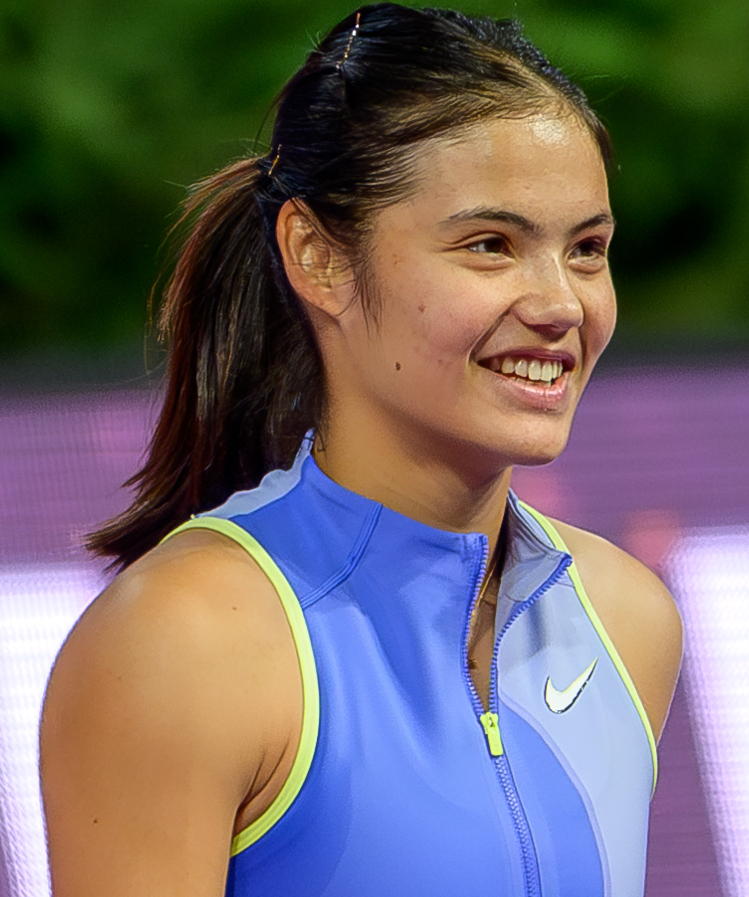
Emma Raducanu's Coaching Reboot: Rediscovering Her Natural Game
Emma Raducanu's meteoric rise to US Open champion in 2021 was a fairytale. Yet, the journey since has been marked by a series of coaching changes, injuries, and an intense media spotlight. Now, the British sensation is embarking on what she terms a "total reboot," not just of her game but, more profoundly, of her entire approach to professional guidance. At the heart of this transformation is a distinct raducanu coaching philosophy: a move away from dictated instructions towards rediscovering her innate, free-hitting style.
The Quest for Authentic Play: Reclaiming Her Instincts
For Raducanu, the recent period has been a journey of introspection and recalibration. After her partnership with Francisco Roig ended following the Australian Open due to disagreements over playing style, Raducanu voiced a clear ambition: to "bring my instincts back out, getting back in touch with myself." This sentiment highlights a crucial aspect of the raducanu coaching philosophy – the prioritization of authentic self-expression over rigid adherence to external directives.
She openly admitted, "I have had a lot of people telling me what to do, how to play, and it hasn't necessarily fit." This candid reflection suggests a period where the intense pressure and varied advice from a succession of coaches may have inadvertently stifled her natural game. The "natural way of playing" that won her the US Open as an unseeded qualifier was characterized by fearless, aggressive hitting and an instinctive court sense. To have that "coached out of me a little bit," as she describes, points to the potential pitfall of over-coaching – where an athlete's unique strengths can be diluted in an attempt to conform to a perceived "ideal" technique or strategy.
Her statement before Indian Wells was a powerful declaration of independence: "I want to come back to my natural way of playing. That takes time to relearn because that's something that has been coached out of me a little bit." This isn't just about technique; it's about reclaiming psychological ownership of her game, trusting her gut, and rebuilding the confidence to play on her own terms.
Deconstructing the "Full-Time Coach" Model: Why Raducanu is Rethinking Tradition
Perhaps the most unconventional aspect of the emerging raducanu coaching philosophy is her skepticism towards the traditional full-time coach model. With seven full-time coaches already in her relatively short professional career, Raducanu is acutely aware of the intense scrutiny any new hire would face. "Anyone I bring in is straight away going to be scrutinised - even if it's a trial," she observed. This external pressure isn't just a media burden; it creates an internal dilemma.
"I might feel the pressure to stick with them, even if it's not necessarily the right decision," she explained. This honesty reveals a mature understanding of the psychological impact of public expectations. For an athlete of her profile, every decision, especially coaching changes, becomes a major headline. This can lead to a feeling of obligation, pushing a player to maintain a partnership that isn't truly serving their development, simply to avoid further controversy or criticism.
Beyond the scrutiny, her deeper concern lies in the potential for a coach to dictate rather than collaborate. "I would love to have a coach that works well, but I don't think it's necessarily going to be easy to find one person and they are going to check every box," she stated. Her preference is clear: "I would rather someone not come in and tell me 'let's do this', and I disagree with it but have to listen to them." This stance champions a collaborative partnership where the athlete's input, feelings, and natural style are respected and integrated, rather than overridden. It's a significant departure from the traditional coach-athlete dynamic, particularly in individual sports like tennis, where the coach often holds considerable authority.
The Collaborative Coaching Ecosystem: Tapping into Expertise
Instead of a singular, all-encompassing guru, Raducanu is opting for a more fluid, multi-faceted approach. Her statement, "I am definitely going to tap into a few people here and there," encapsulates this evolving raducanu coaching philosophy. This strategy acknowledges that no single individual possesses all the answers and that different experts can provide valuable insights for specific areas of her game or mental approach.
A prime example of this model in action is her recent work with Mark Petchey. Petchey, whose primary role is with the Tennis Channel, has stepped in on an ad-hoc basis, working with Raducanu during Indian Wells. This isn't their first collaboration; he previously joined her team in Miami and during the clay-court season last spring, periods where she showed promising form, reaching the quarter-finals in Miami and the fourth round in Rome. Petchey's history of coaching Andy Murray at the start of his career also lends him credibility and experience in developing top-tier British talent.
Raducanu's positive feedback on working with Petchey is telling: "I work really well when I'm with him... I'm really happy to be on the court and just really enjoy it overall." This emphasis on enjoyment and a positive working relationship underscores that for her, the efficacy of a coach isn't just about technical drills but also about fostering an environment where she feels comfortable, confident, and, crucially, happy. This aligns perfectly with her goal of bringing back her instincts and rekindling her passion for the game.
Alongside Petchey, Alexis Canter plays a complementary role. While Canter has limited coaching experience and often takes a backseat when Petchey is present, he has been a consistent hitting partner, accompanying Raducanu to successful outings like the Washington semi-finals and her second career final in Cluj. This setup suggests a blended team: a specialist like Petchey providing specific tactical and technical insights, while Canter offers consistent support and familiarity as a hitting partner, maintaining continuity without the pressure of a full-time coaching title.
This "ecosystem" approach allows Raducanu to cherry-pick expertise as needed, maintaining flexibility and control over her development, free from the constraints and expectations that often accompany a single long-term coaching partnership.
Practical Implications of Raducanu's Coaching Philosophy: Lessons for Aspiring Athletes
Emma Raducanu's innovative `raducanu coaching philosophy` offers valuable insights not just for professional athletes, but for anyone seeking to optimize their performance and personal growth. Here are some practical takeaways:
- Prioritize Self-Awareness: Raducanu's journey underscores the critical importance of understanding your own natural strengths, weaknesses, and preferred learning style. Before seeking external guidance, take time to reflect on what truly makes you excel. What are your instincts? What kind of environment do you thrive in?
- Challenge Traditional Models: The conventional wisdom of "one coach fits all" may not always be the most effective. Be open to flexible, ad-hoc, or team-based coaching arrangements. For aspiring athletes, this could mean working with different specialists for fitness, mental game, specific shots, or strategy, rather than relying solely on a single individual.
- Seek Collaboration, Not Dictation: A truly effective coach-athlete relationship is a partnership. Look for mentors who empower you to think critically, trust your instincts, and contribute to decision-making, rather than simply imposing instructions. The goal is to enhance your autonomy, not diminish it.
- Value Compatibility and Trust: Raducanu's comfort and enjoyment working with Mark Petchey highlight that personal chemistry and trust are as vital as technical expertise. A coach's ability to create a positive and supportive environment can significantly impact performance and long-term development.
- Manage External Pressures: While most won't face Raducanu's level of scrutiny, all athletes deal with external expectations. Develop strategies to filter out unhelpful noise and remain focused on your internal goals and process. This might involve setting boundaries or having trusted advisors who can help you navigate external opinions.
- Embrace Iteration: No coaching journey is linear. Raducanu's experience demonstrates that it's okay for partnerships to evolve or end if they are no longer the right fit. View each experience as a learning opportunity, helping you refine what you need from guidance moving forward.
Emma Raducanu's coaching reboot is more than just a search for a new hitting partner or tactical guru; it's a profound declaration of intent to redefine how she develops as a player. By seeking to recapture her innate abilities and embracing a flexible, collaborative coaching model, she challenges the conventional wisdom of professional tennis. Her journey is a testament to the idea that true success often stems from self-belief, authenticity, and the courage to forge one's own path.