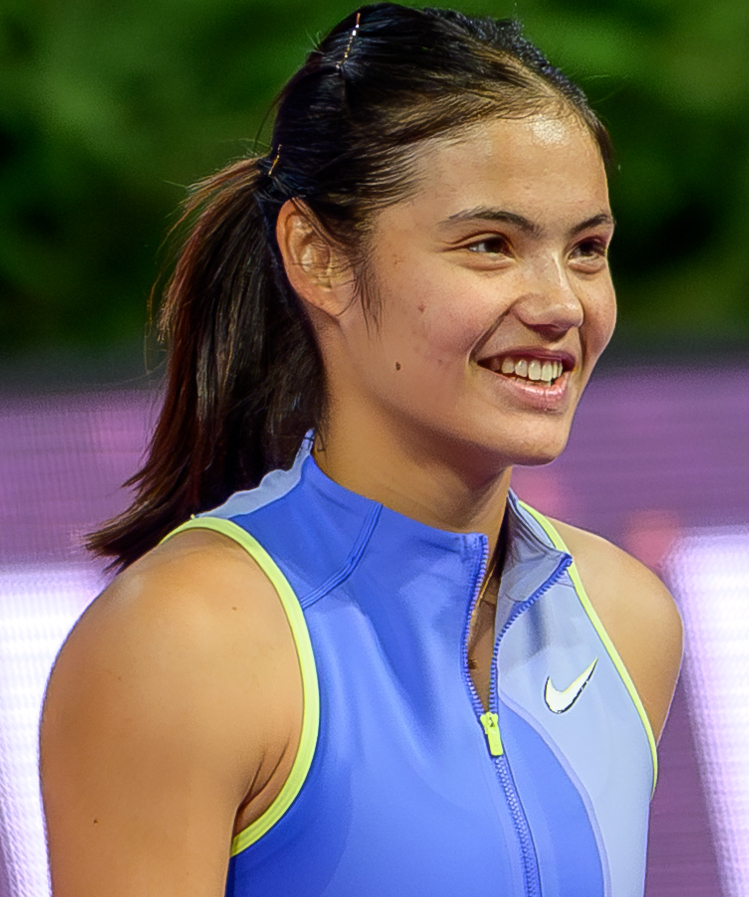
Emma Raducanu's Ad Hoc Coaching Strategy: Tapping Into Many for Peak Performance
In the high-stakes world of professional tennis, the player-coach relationship is often seen as a cornerstone of success. However, British number one Emma Raducanu is charting an unconventional course, eschewing the traditional full-time coaching model in favor of a flexible, "tapping into many" approach. This bold move, driven by a desire to reconnect with her natural game and mitigate external pressures, defines the emerging Raducanu coaching philosophy.
The 2021 US Open champion, known for her meteoric rise, has experienced a dynamic journey since her Grand Slam triumph. Her recent decisions reflect a deep introspection into what truly works for her, prioritizing instinct and autonomy over a singular, authoritative voice. This article delves into the intricacies of Raducanu's unique strategy, examining its motivations, practical applications, and potential implications for her career and for athlete development in general.
The Genesis of a New Strategy: Why a Shift Was Needed
Emma Raducanu's career post-US Open has been marked by a series of coaching changes, a common yet often scrutinized aspect of top-tier tennis. Her partnership with Francisco Roig, for instance, concluded after the Australian Open due to a disagreement over playing style. This was the seventh full-time coach she had worked with, highlighting a recurring challenge in finding a consistent, harmonious fit.
Raducanu openly expressed her discomfort with being dictated to. "I have had a lot of people telling me what to do, how to play, and it hasn't necessarily fit," she told BBC Sport. This sentiment underscores a critical pivot point: the realization that external instruction, however well-intentioned, was steering her away from her intrinsic tennis identity. Her goal, now, is clear: "to bring my instincts back out, getting back in touch with myself." This process of "relearning" her natural way of playing, which she feels has been "coached out of me a little bit," is central to her current strategy. For more on her journey to rediscover her authentic game, read about Emma Raducanu's Coaching Reboot: Rediscovering Her Natural Game.
Embracing Instincts: Raducanu's Core Coaching Philosophy
At the heart of Raducanu's current approach is a profound belief in her own innate abilities and intuition. The Raducanu coaching philosophy is less about finding a guru and more about cultivating an environment where she can thrive authentically. She acknowledges the value of coaching but asserts her need for collaboration rather than submission.
"I would love to have a coach that works well, but I don't think it's necessarily going to be easy to find one person and they are going to check every box," she explained. This pragmatic view recognizes the complexity of elite performance and the individuality required at the highest level. Her openness to a coach is conditional: "I would rather someone not come in and tell me 'let's do this', and I disagree with it but have to listen to them." This stance highlights a desire for agency and a refusal to compromise her playing style for the sake of conforming to external expectations.
This approach isn't merely about rejecting authority; it's about active self-discovery. By "tapping into a few people," Raducanu aims to gather diverse perspectives and insights without committing to a single, potentially overwhelming, influence. It allows her to cherry-pick advice that resonates with her internal compass, reinforcing her conviction in her own game.
The "Ad Hoc" Advantage: A Flexible Support Network
Raducanu's evolving coaching network exemplifies the "ad hoc" model in action. Key figures like Mark Petchey and Alexis Canter demonstrate the diverse roles individuals can play within this flexible structure.
The Mark Petchey Effect: A Proven Catalyst
Mark Petchey, a former coach of Andy Murray and a respected tennis analyst, has emerged as a crucial component of Raducanu's current setup. His engagement is on a day-to-day basis, an arrangement that perfectly encapsulates the flexibility Raducanu seeks. Petchey's previous stints with Raducanu, including her run to the Miami quarter-finals and strong clay-court performances in 2022, underscore his positive impact.
Raducanu actively sought Petchey's help when feeling "uncomfortable" about her game, and she quickly noticed an improvement. "I work really well when I'm with him," she stated, highlighting the chemistry and effectiveness of their collaboration. Petchey's ability to support her without imposing a rigid structure seems to align perfectly with her goals, allowing her to rediscover her comfort and enjoyment on court.
Alexis Canter's Role: A Steady Presence
While Petchey provides specific, high-level coaching input, Alexis Canter serves a different, yet equally vital, function. Primarily a hitting partner, Canter offers a consistent presence and a familiar dynamic. He was with Raducanu during her semi-final run in Washington and her second career final in Cluj, demonstrating his supportive role in helping her access her best game.
Canter's limited formal coaching experience means he typically takes a backseat when Petchey is on court, fitting neatly into the non-dictatorial philosophy. His value lies in providing a stable training environment and a sounding board, complementing the more specialized advice from others. This multi-layered support system allows Raducanu to derive different benefits from different individuals, tailored to her evolving needs.
Beyond the Court: Mental Fortitude and External Pressures
A significant driver behind Raducanu's alternative approach is the intense scrutiny that accompanies any full-time coach in her entourage. "Anyone I bring in is straight away going to be scrutinised - even if it's a trial," she observed. This pressure can extend to the player, creating a self-imposed obligation to stick with a coach even if the fit isn't ideal. "I might feel the pressure to stick with them, even if it's not necessarily the right decision."
By opting for a rotating or ad hoc support system, Raducanu effectively defuses much of this external pressure. There's no single figure to constantly analyze or blame, allowing her to experiment and evolve without the burden of public expectation on her coaching choices. This strategic move speaks volumes about her mental resilience and her determination to protect her professional environment from unnecessary distractions. It's a pragmatic approach to managing not just her game, but also the narrative surrounding her career. To understand more about managing this intricate balance, explore Beyond Full-Time: Emma Raducanu's Search for Coaching Harmony.
Implementing a Multi-Stakeholder Approach: Lessons for Athletes
Raducanu's journey offers valuable insights for athletes across various disciplines who might feel constrained by traditional coaching models. Here are some actionable takeaways:
- Prioritize Self-Awareness: Understand your core playing style and what genuinely makes you comfortable and confident. If external input clashes with this, evaluate its true benefit.
- Embrace Flexibility: Not every expert needs to be a full-time fixture. Specialized consultants, hitting partners, and mentors can contribute meaningfully on a short-term or ad hoc basis.
- Build a Network, Not Just a Team: Cultivate relationships with several trusted individuals who can offer different perspectives and skills, rather than relying solely on one person for all needs.
- Define Your Non-Negotiables: Clearly articulate what you need from a coach and what you are unwilling to compromise on (e.g., playing style, decision-making autonomy).
- Manage External Expectations: Recognize the impact of public scrutiny and proactively design strategies to mitigate its negative effects on your choices and performance.
This multifaceted approach demands strong self-leadership and clear communication from the athlete. It’s about being the CEO of your own development, strategically allocating resources and expertise to achieve your goals.
Conclusion
Emma Raducanu's ad hoc coaching strategy is a refreshing departure from the norm, embodying a mature and self-aware approach to elite athletic development. By "tapping into a few people," she's not just seeking technical advice; she's building a personalized support system designed to foster her instincts, reduce external pressure, and ultimately, help her rediscover the joy and freedom in her game that propelled her to US Open glory. While time will tell the full extent of its success, this evolving Raducanu coaching philosophy stands as a testament to her determination to forge her own path, prioritizing authenticity and personal growth in the relentless pursuit of excellence.